
About Olive
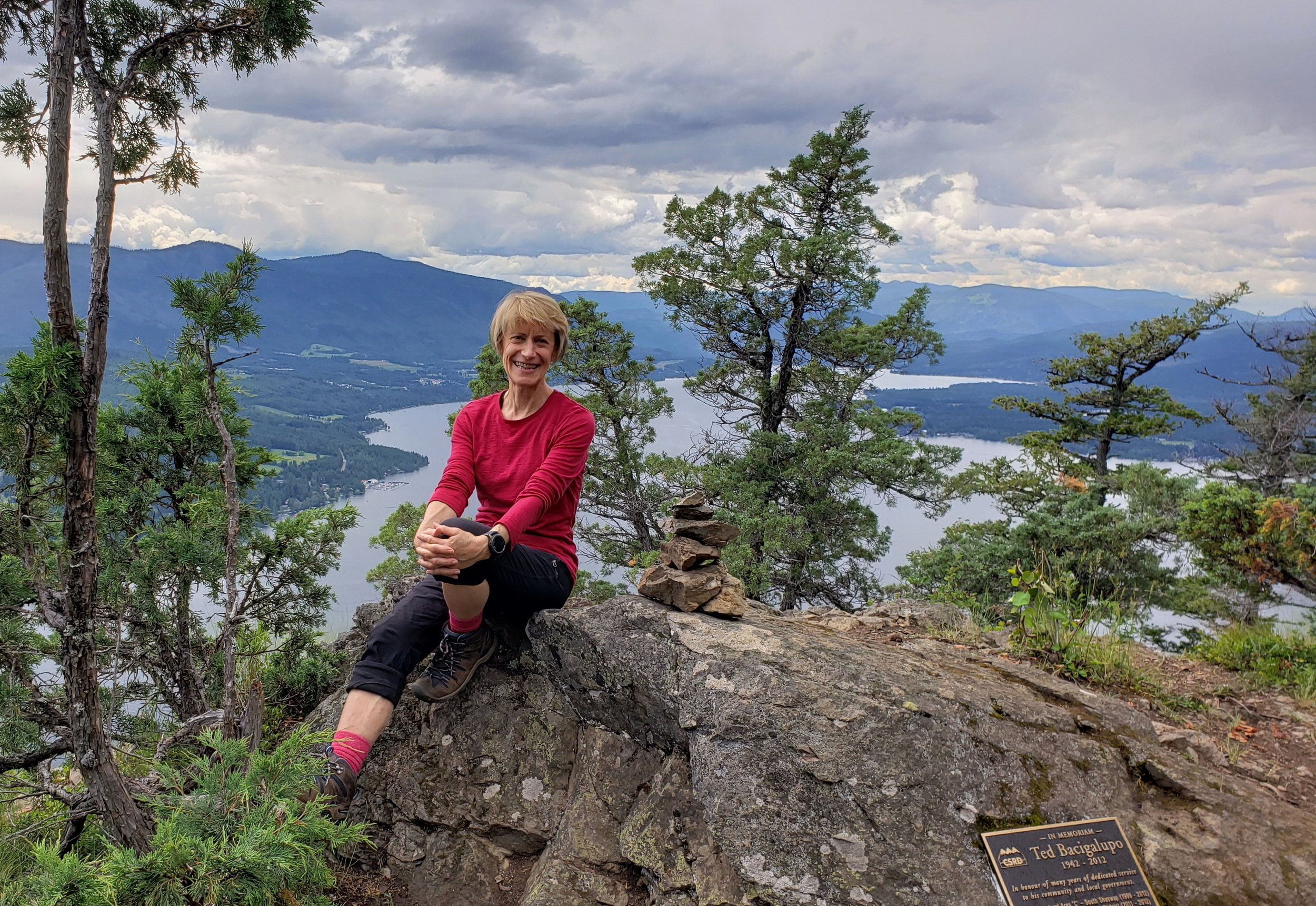
Long before I painted landscapes,
I learned to read them.
For much of my life, the natural world wasn’t somewhere I went to escape — it was where I lived, worked and felt most at home.
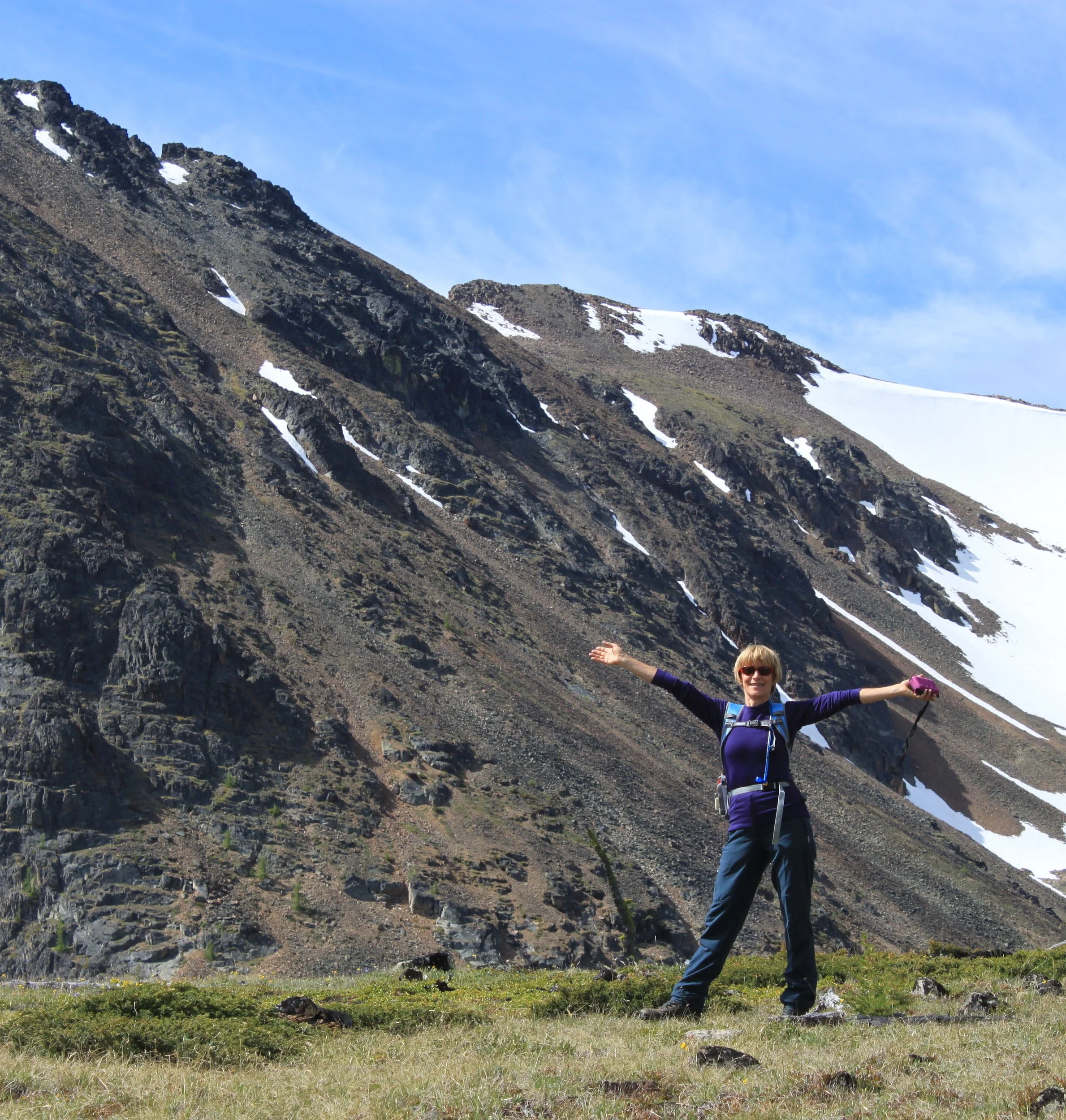
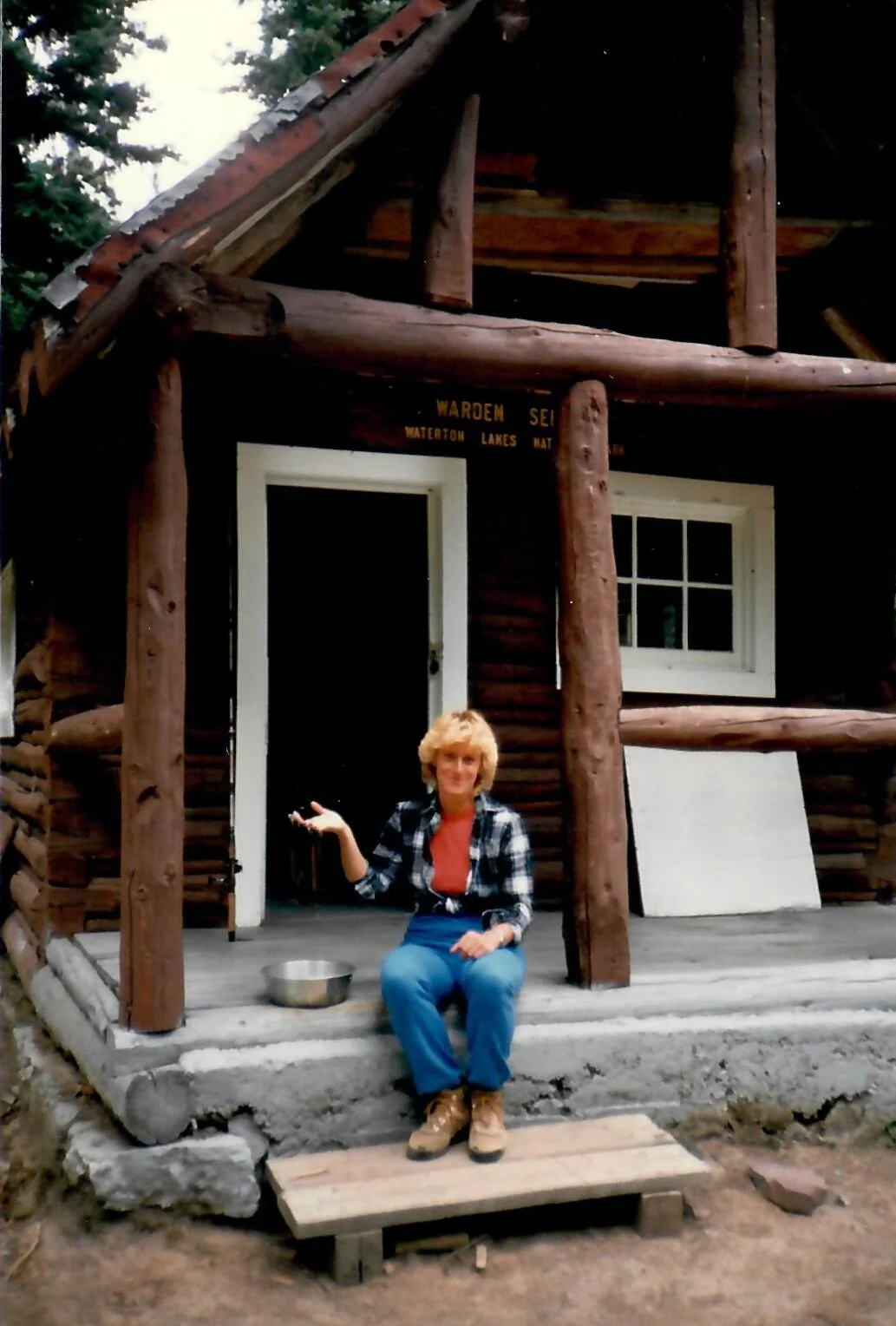
Even before my years as a National Park Warden, I was happiest outdoors. I worked at Marmot Basin in Jasper and spent countless winter days on the ski slopes. Later, as one of the early female National Park Wardens in Canada, the outdoors became not only my playground, but my workplace.
I lived and worked in remarkably different corners of Canada’s national parks — from the mountains of Jasper and Waterton to the prairie landscapes of Elk Island and the wild Pacific coast of Haida Gwaii.
Those years taught me to notice: changing light on a mountain, tracks along a trail, the movement of wildlife through the trees, the character of a landscape, and the small details that reveal what is happening around you.
That habit of looking closely has never left me.
A Life Close to the Land
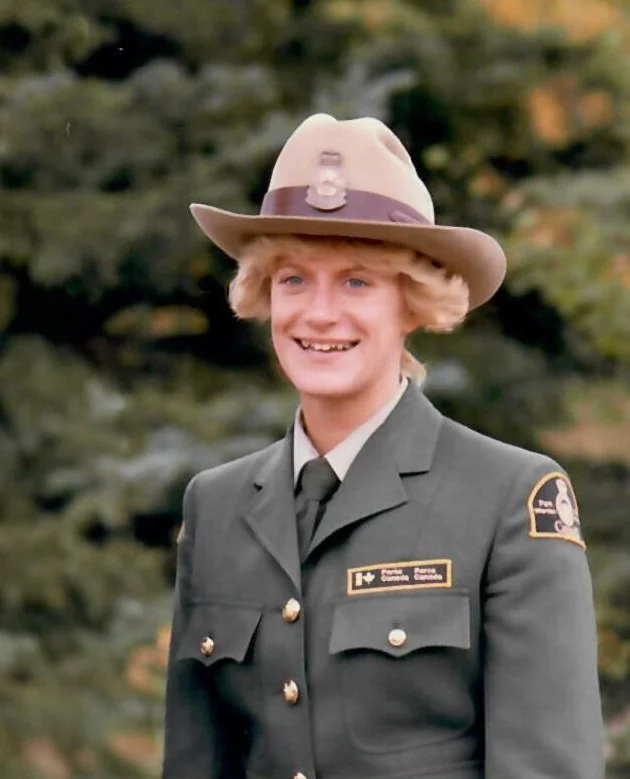
Warden life was wonderfully varied.
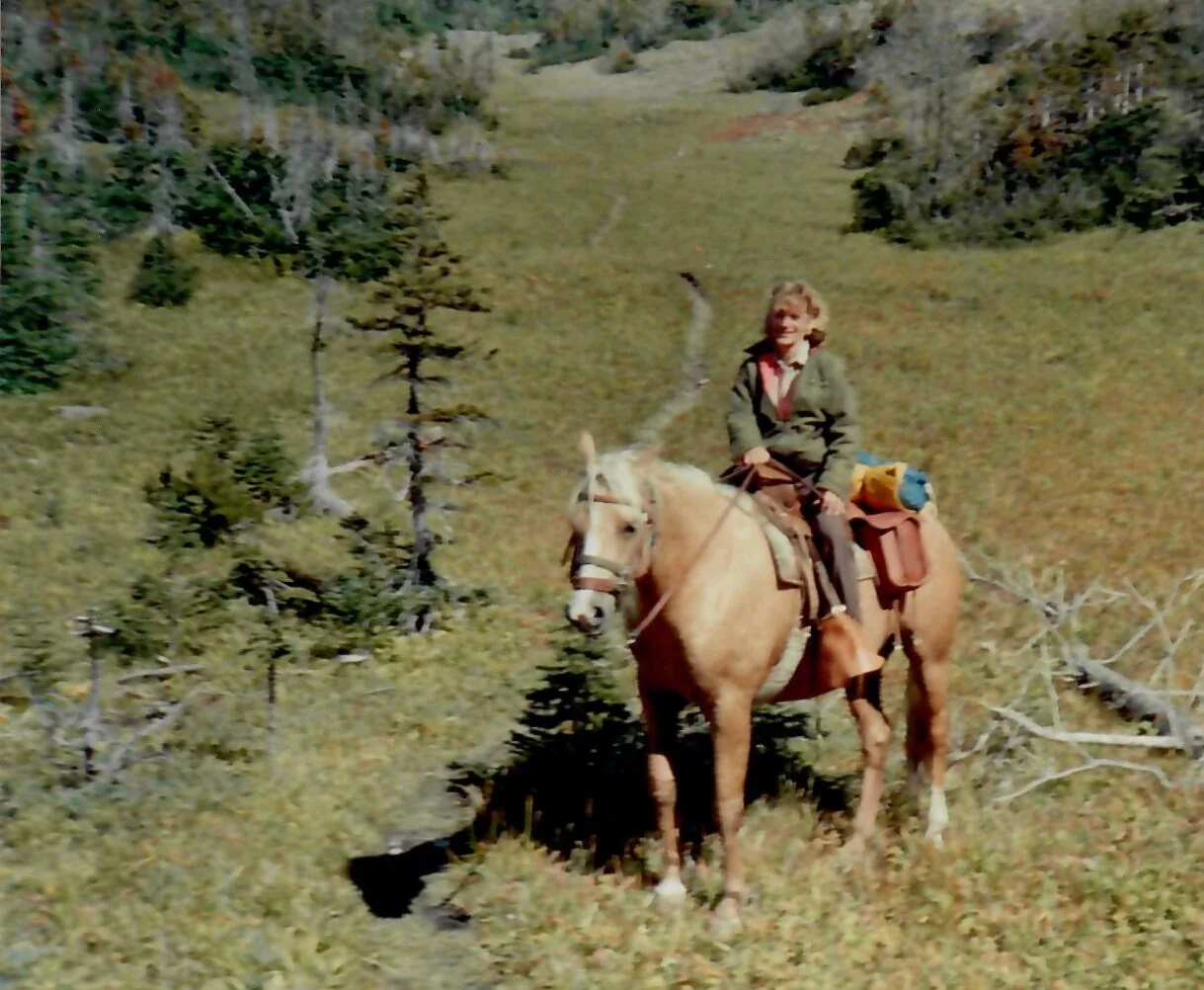
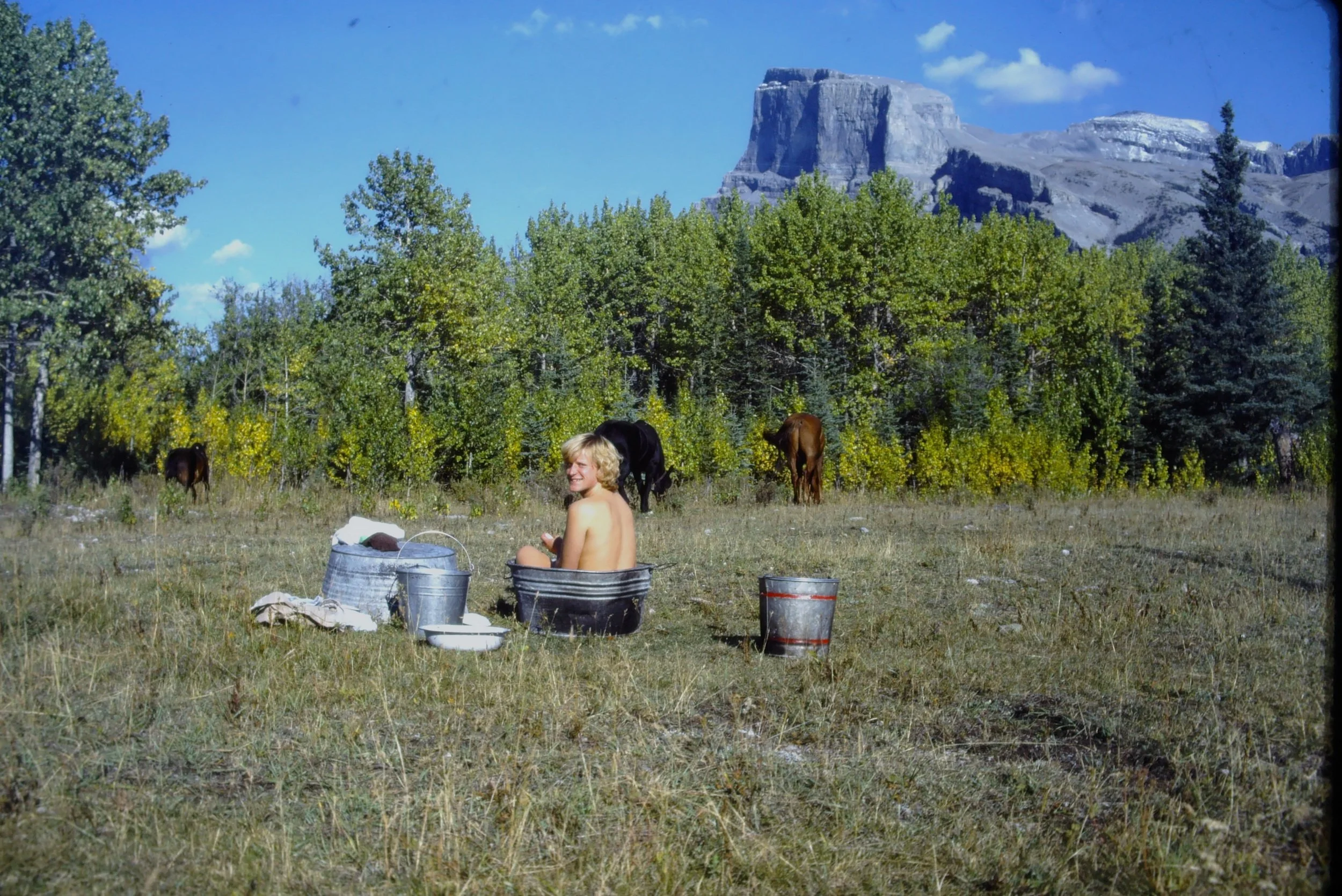
Some days were spent travelling into the backcountry on horseback — sometimes alone, sometimes with another warden, and sometimes simply riding with a friend on a day off. Other days involved resource-management work, from helping with bison roundups in Elk Island to measuring how wildlife was browsing young saplings.
There were campground and evening patrols, public-safety work, mountain rescues and the occasional experience I certainly hadn’t imagined when I first chose the career — including the thrill of being slung 100 feet beneath a helicopter over rocky terrain.
I crossed paths with grizzly bears and black bears more than once, fortunately without a bad encounter. Experiences like those gave me an enduring respect for wildlife — not as something separate from us or simply picturesque, but as part of a much larger living landscape.
And sometimes the job called for judgment rather than a rule book. One cold, rainy evening I found a group of bicycle campers thoroughly wet and miserable. They weren’t technically supposed to sleep in the kitchen shelter, but I could relate. I told them they could stay warm and dry there for the night, provided they were gone before the morning patrol arrived.
Those quieter moments have stayed with me just as much as the adventures.
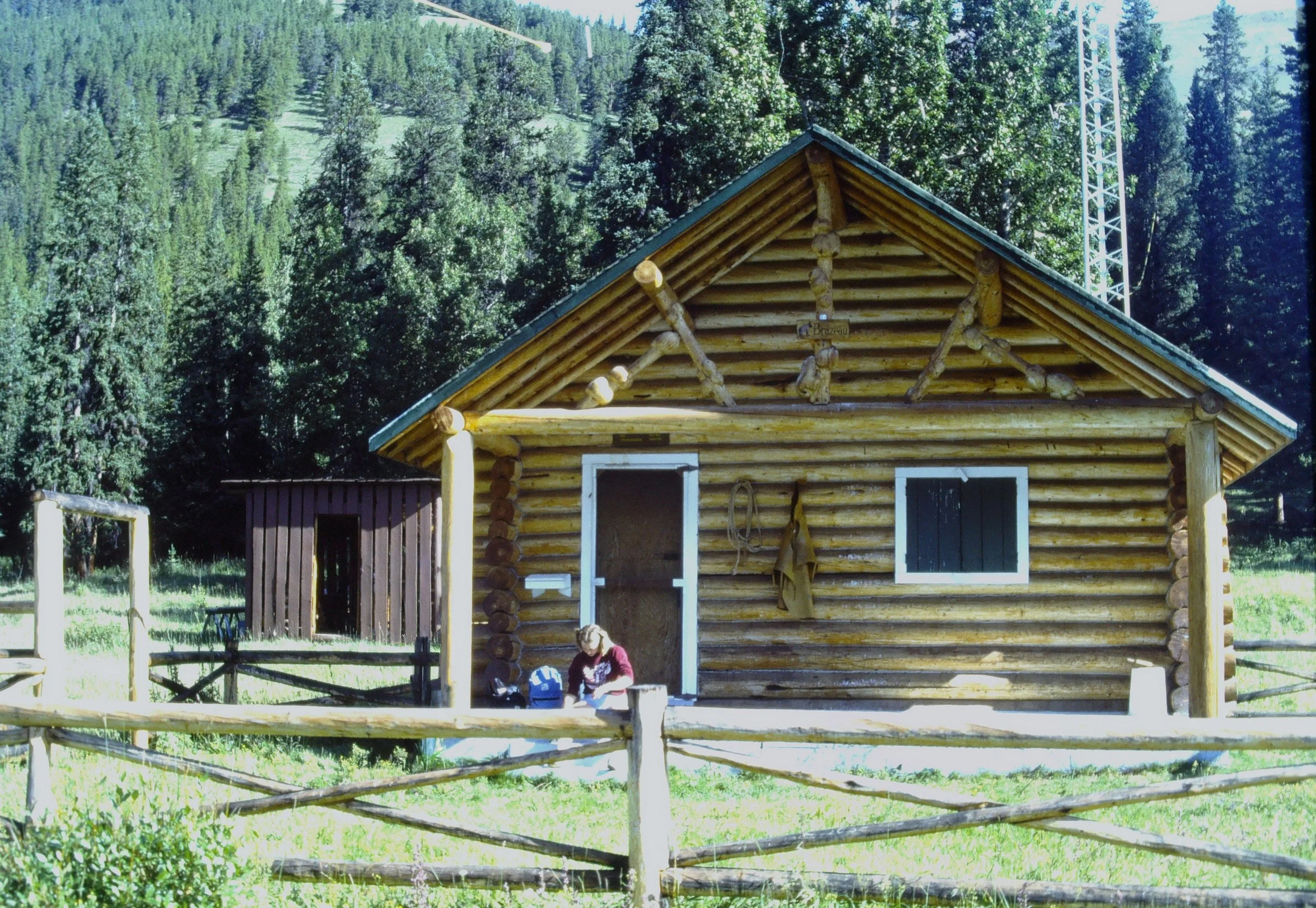
Cabins became part of that world too
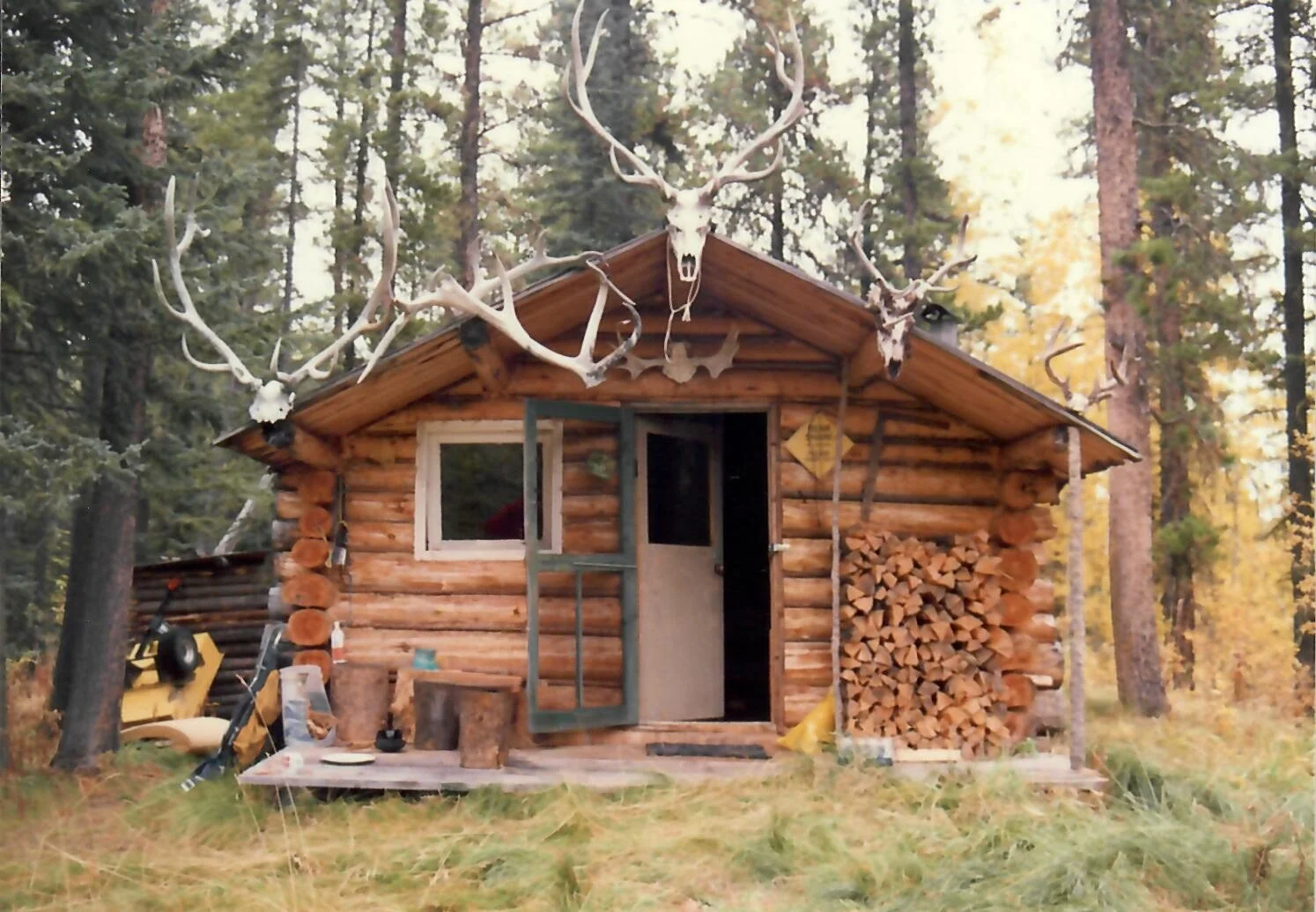
There is something deeply reassuring about arriving at a backcountry cabin after a long day outside.
I also spent considerable time at a friend’s remote log cabin outside the parks, where I even helped build an addition and stripped logs by hand. Perhaps that is one reason cabins keep finding their way into my paintings today.
To me, a cabin isn’t simply a charming building in the woods. It carries the feeling of arrival — warmth, comfort and safety after a day of hiking, skiing or exploring.
That feeling has stayed with me.
Landscapes in Every Direction
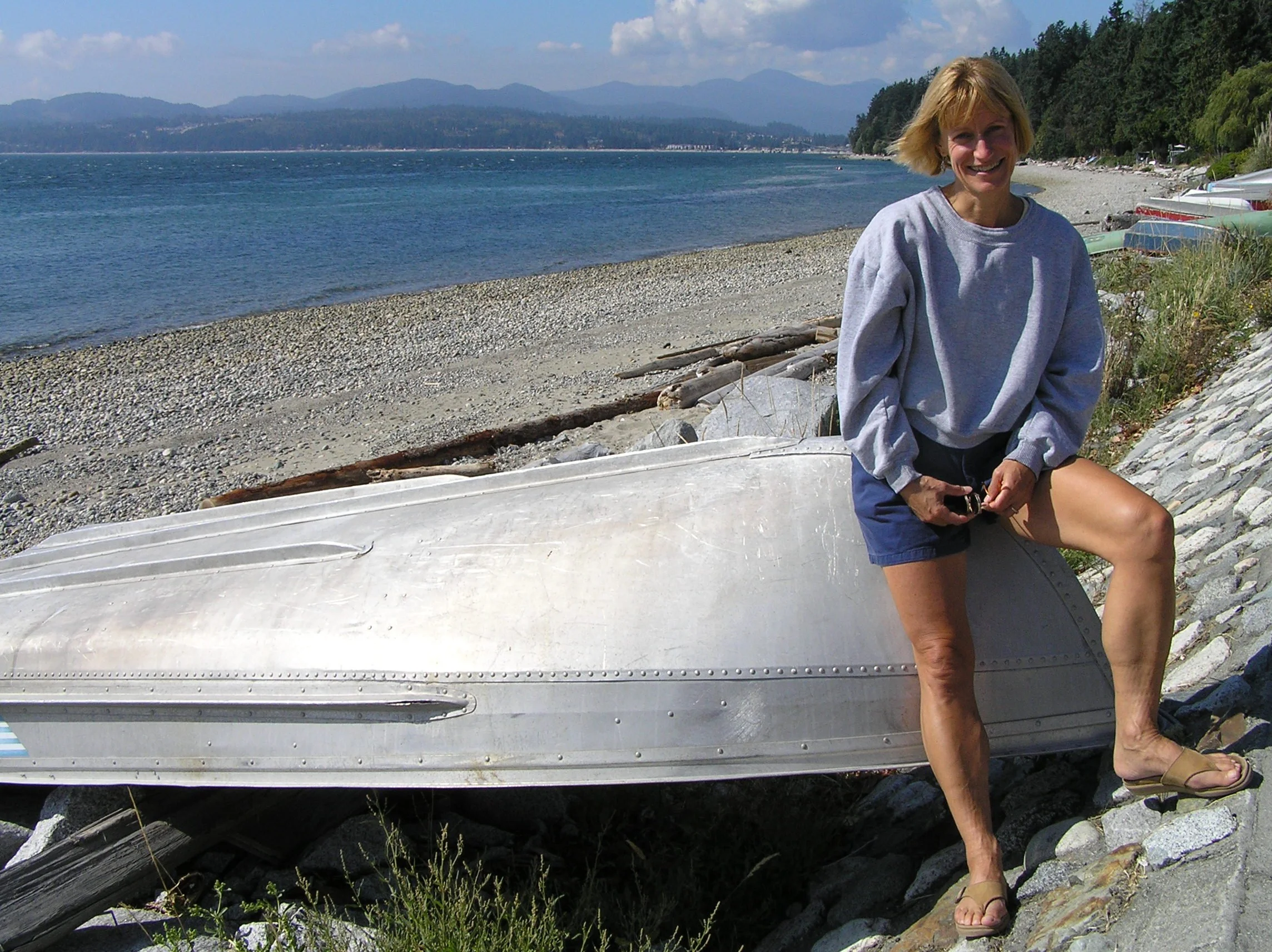
The parks gave me an extraordinary variety of places to call home.
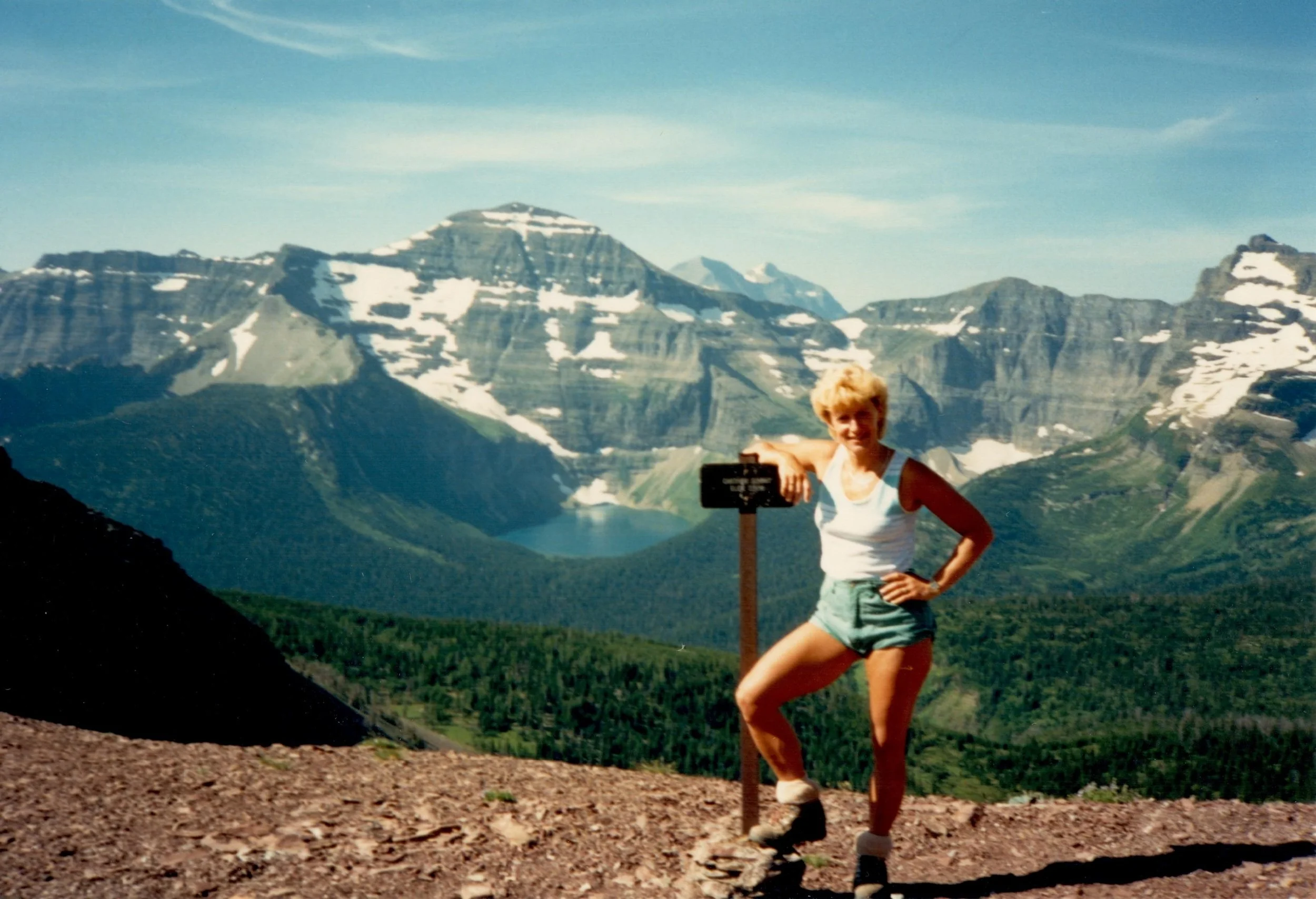
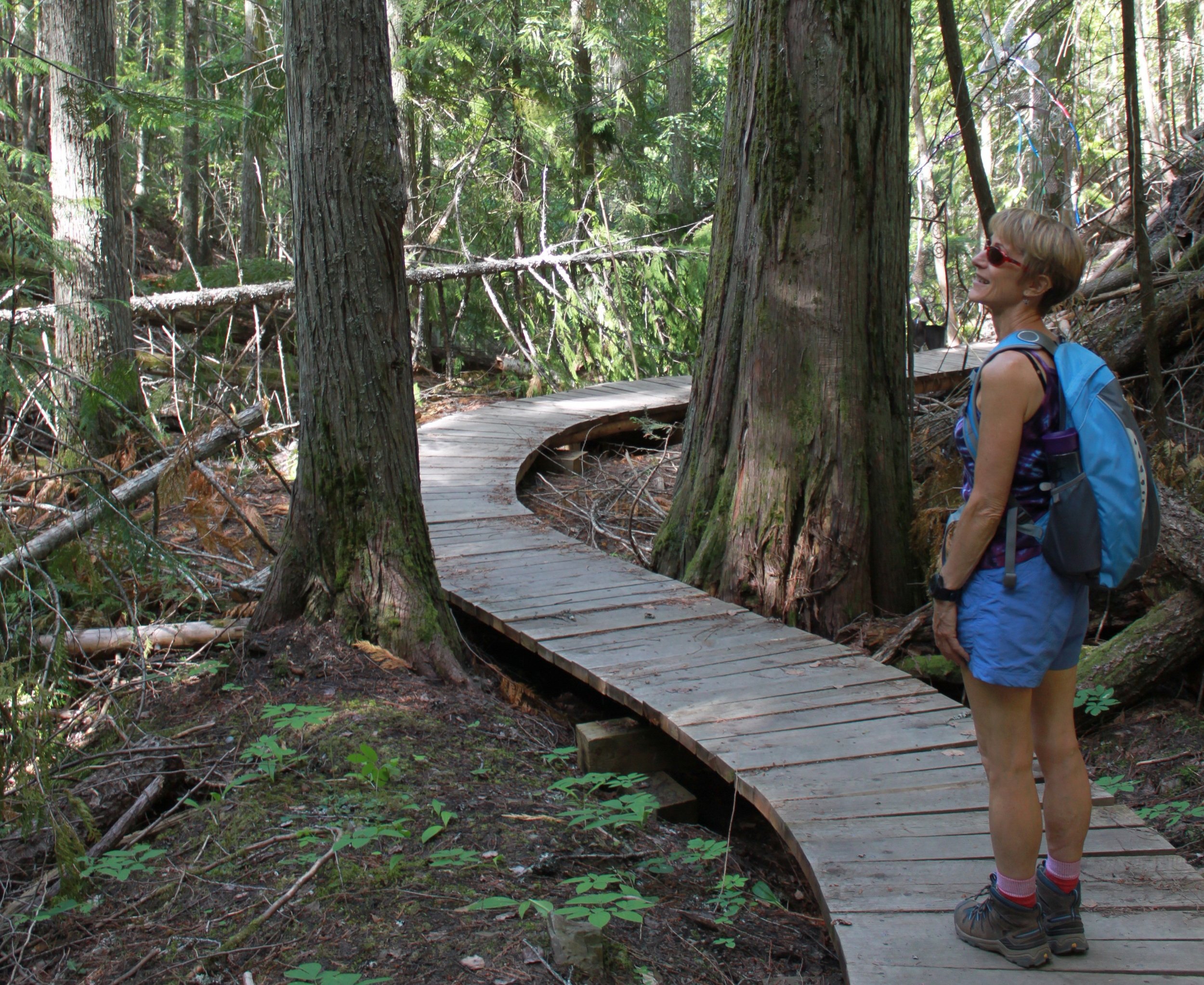
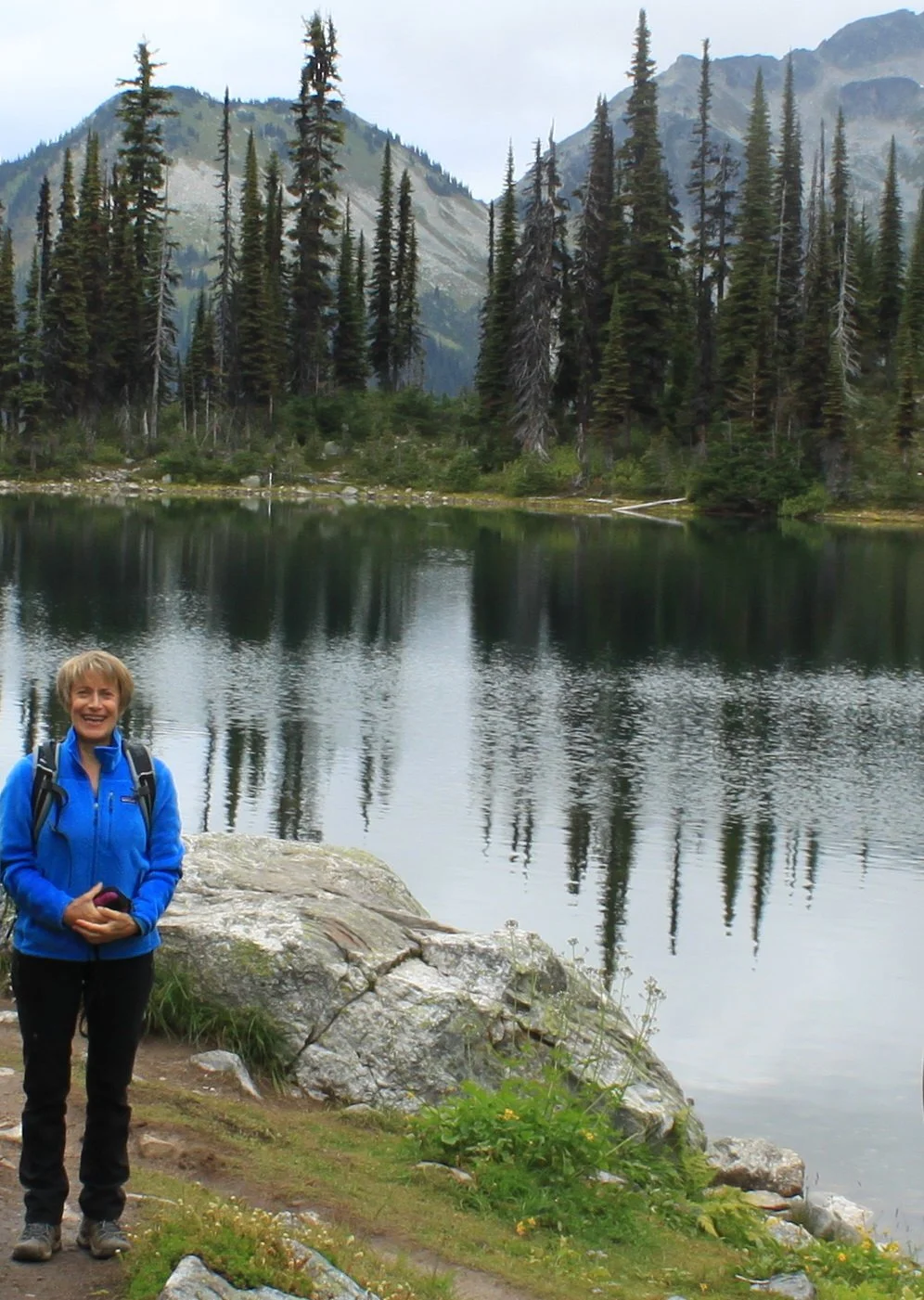
I spent years in Jasper and Waterton, hiking just about every trail I could — sometimes with friends or colleagues and sometimes alone. I even helped my brother John Dodd and his wife, Gail Helgason, check trail information in Jasper for their Canadian Rockies Access Guide.
In Elk Island, the landscape opened into prairie and aspen parkland.
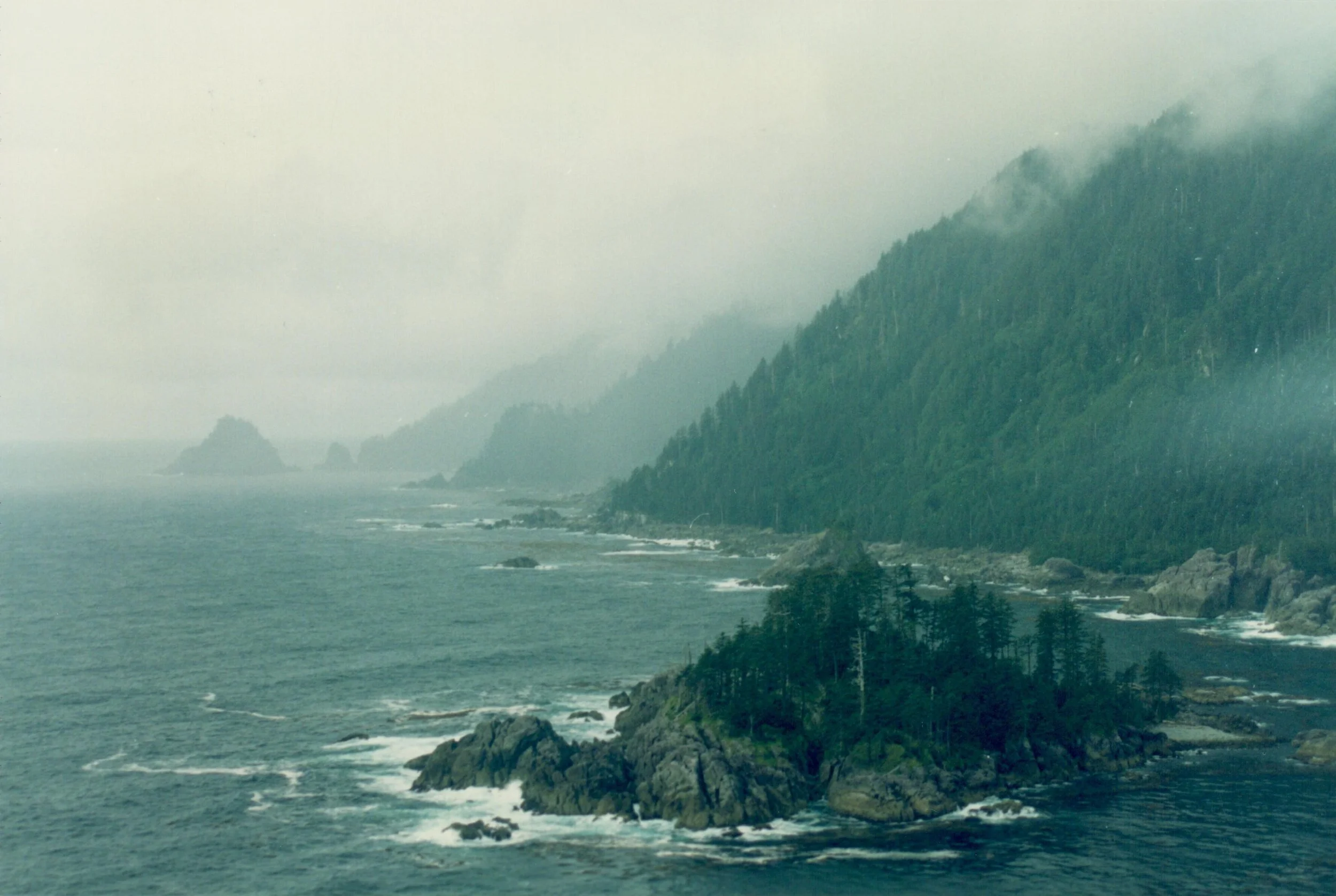
And in Haida Gwaii, everything changed again: ocean, forest and enormous empty beaches where I could walk for miles looking for glass fishing floats while my dog seemed to have the whole world to run in.
Mountains. Prairie. Forest. Lakes. Ocean.
Those years taught me that there isn’t just one kind of wild place — and perhaps that is one reason I am still fascinated by such a wide range of subjects today.
Curiosity Has Always Led the Way
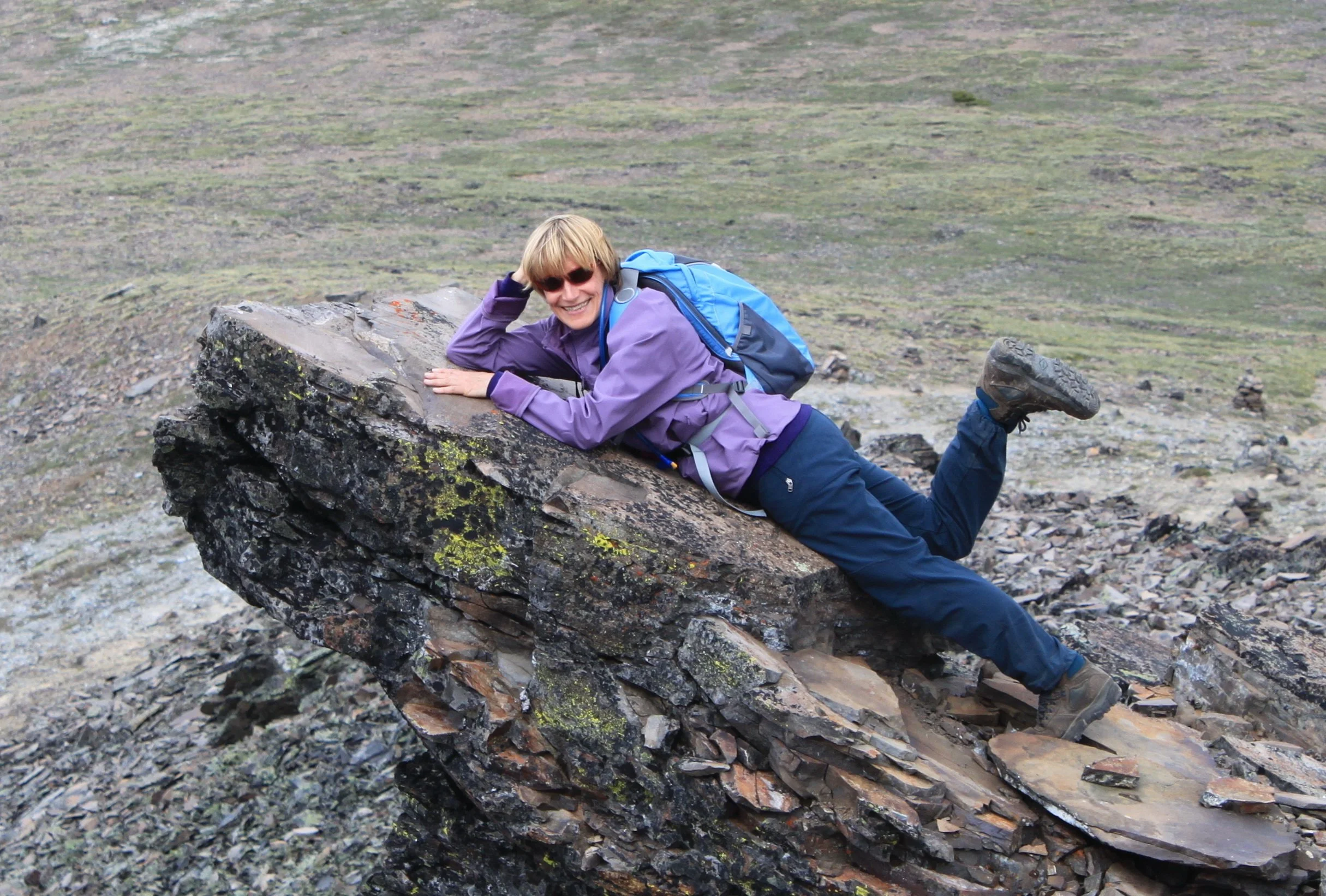
My love of exploring eventually carried me much farther afield.
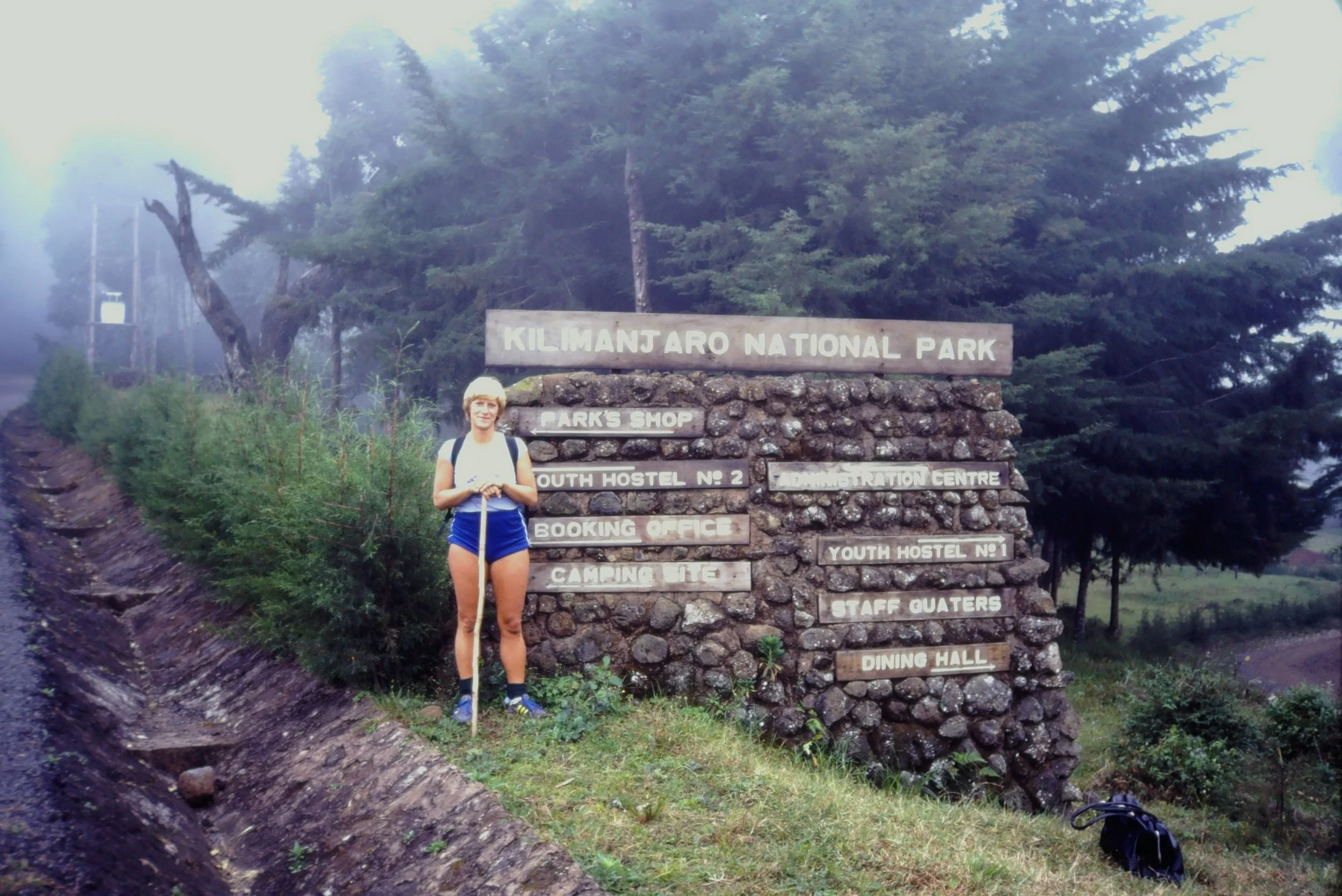
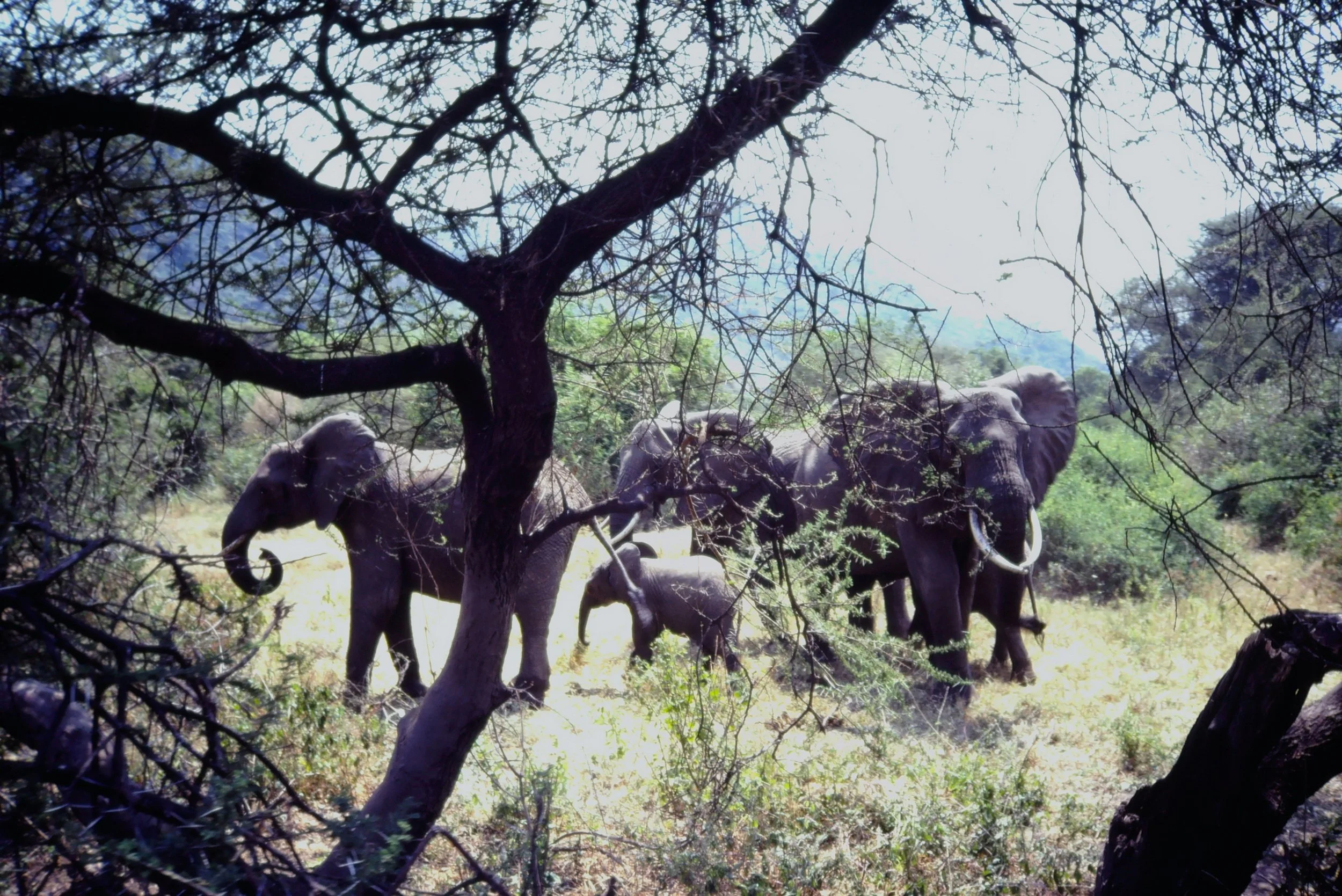
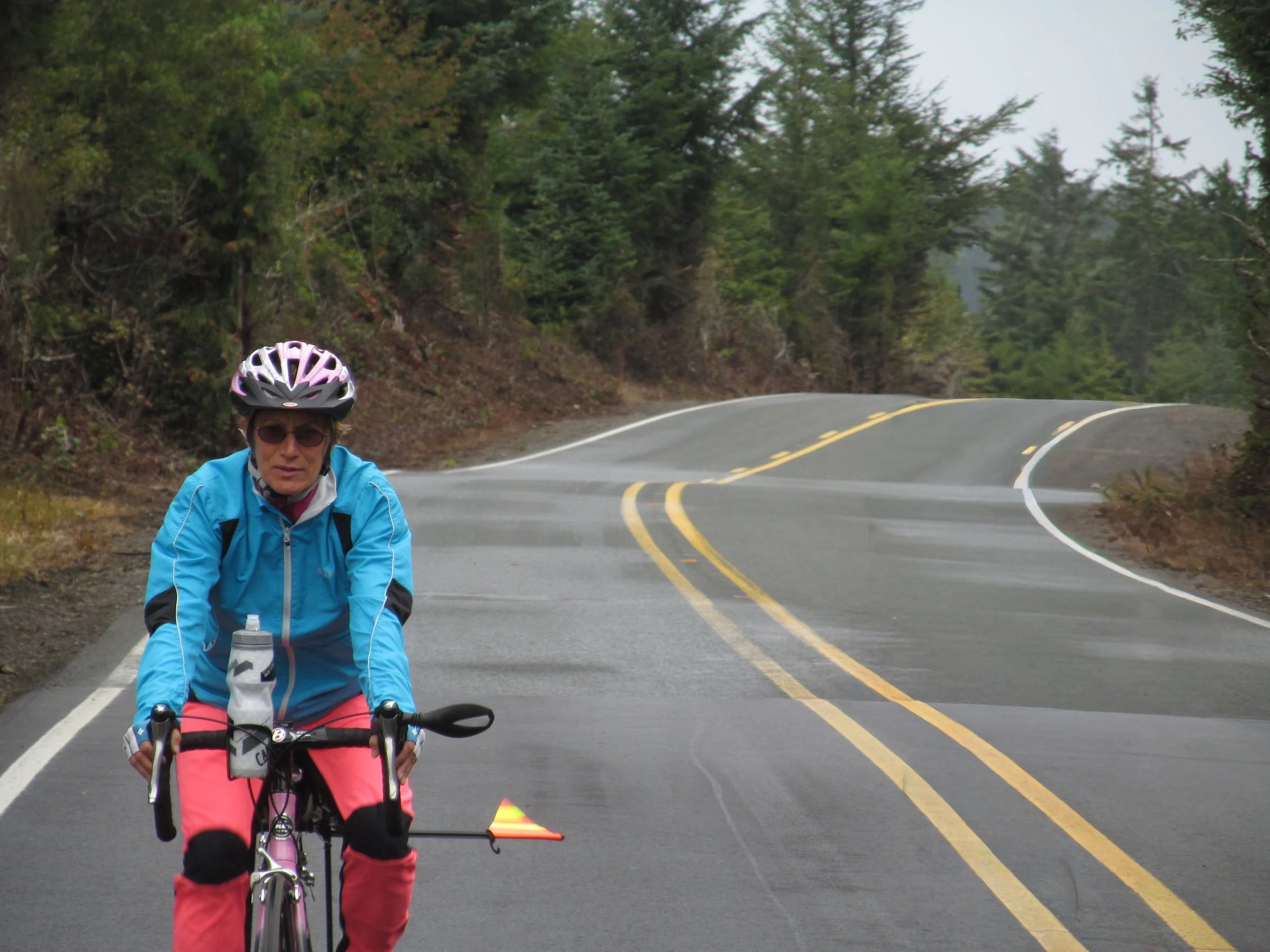
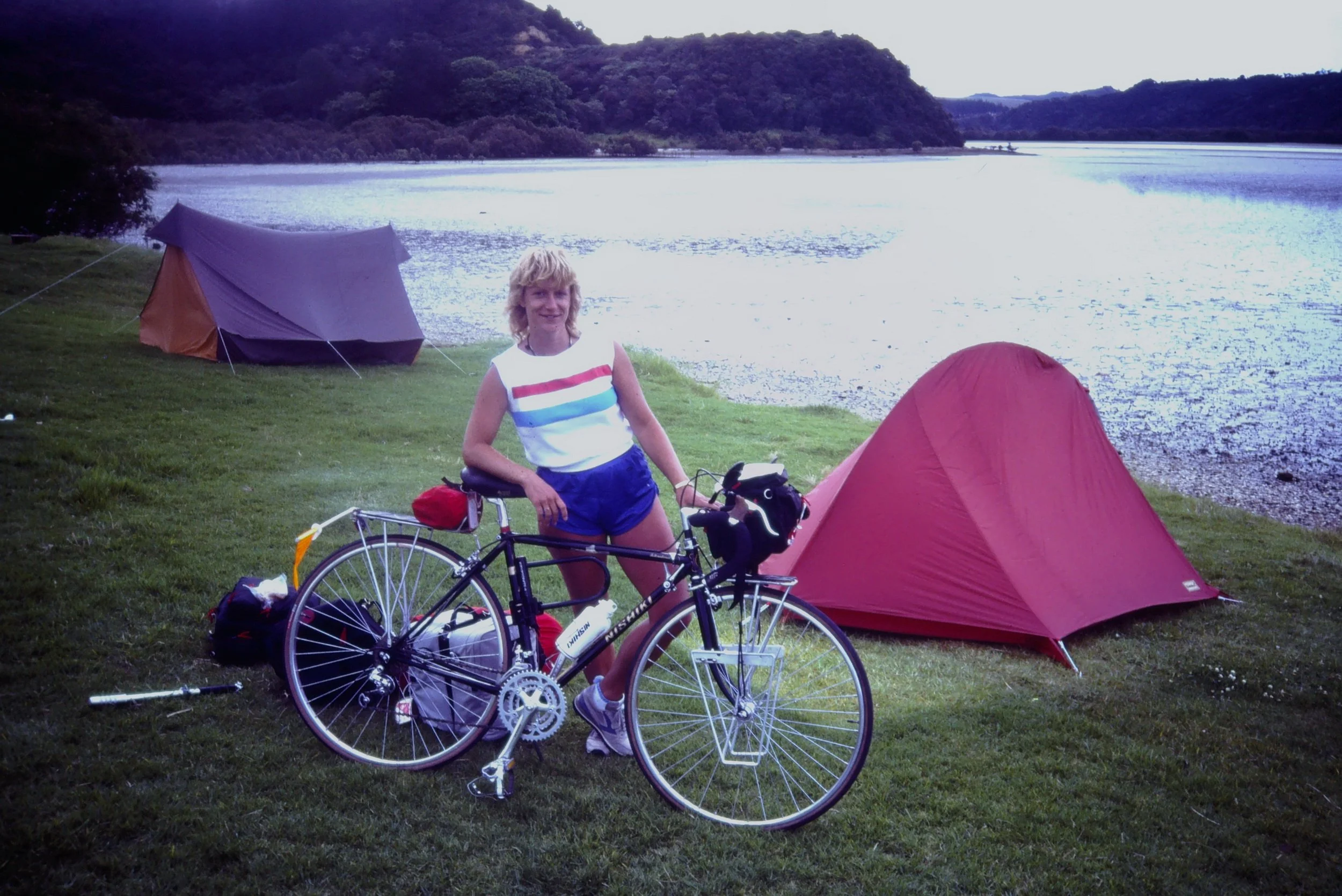
I’ve climbed Kilimanjaro, travelled on safari in Tanzania, cycled through England, Scotland, New Zealand and along the Oregon coast, and spent a year travelling and working in Australia.
Australia became an adventure of its own. I lived in a tent for part of that time, worked on tourist boats around the Whitsunday Islands, swam in those warm tropical waters and even spent a while working on a prawning boat.
The prawning boat and I were not destined for a long relationship.
Working through the night and sleeping through the day meant missing far too much sunshine — and I have always loved my sunshine.
Different countries, different landscapes, different wildlife — but wherever I went, the instinct was the same:
explore, notice, experience.
It is still very much the way I approach art.
From Maps to Paintings
Later in my working life, I came to landscapes from a completely different direction.
For more than 25 years I worked with GIS and computer mapping, studying landscapes through layers, patterns, relationships and detail. It was precise, analytical work, but it strengthened something that had already been developing throughout my life — the habit of looking closely and understanding how pieces fit together.
Art ran alongside those years as my creative counterbalance.
Over time I explored pen and ink, watercolour and acrylic, returning to art whenever life allowed. After retirement, I finally had the time and space to pursue it more seriously through courses, workshops, experimentation and mentorship.
Then I discovered soft pastel.
The immediacy of the colour, the ability to layer and blend, and the almost tactile way pastel lets me work with light felt completely natural.
Watercolour has since returned to my studio as well, bringing with it a different kind of spontaneity — and lately I’ve been giving myself more freedom to experiment with oil pastel, coloured pencil and other media simply to see where they lead.
Today I work primarily in soft pastel and watercolour, but curiosity still gets a vote.


Why I Paint
I’m drawn to landscapes and wildlife, but I’m interested in more than making an accurate picture.
I want to capture the feeling that made me stop in the first place — sunlight breaking through trees, the quiet presence of an animal, colour glowing across a hillside, the welcome of a cabin at the end of a trail, or one of those fleeting moments in nature that somehow stays with you.
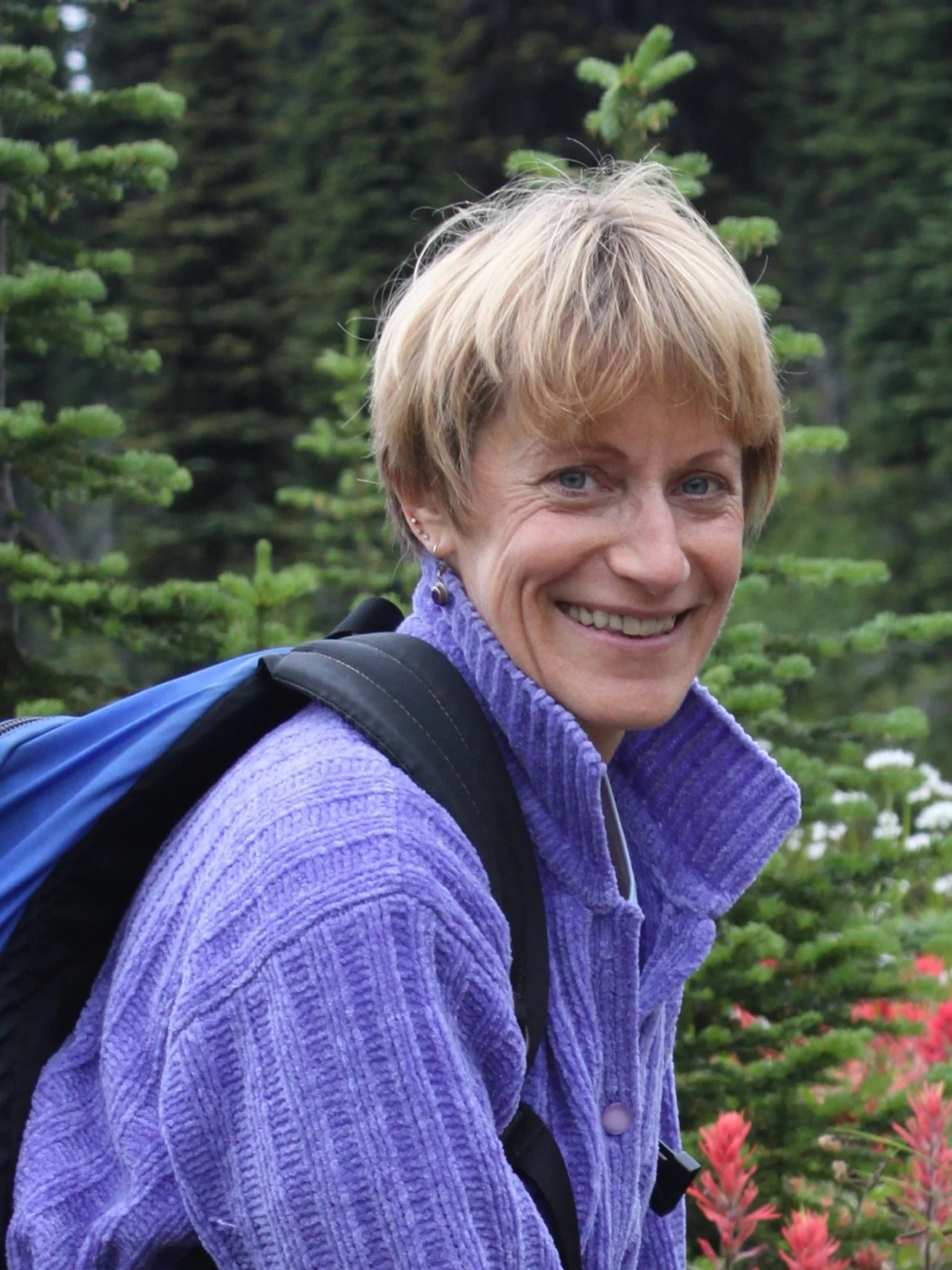
Sometimes the subject comes from close to home here in British Columbia’s Shuswap region. Sometimes it reaches back to somewhere I travelled years ago — perhaps an animal seen on safari or a memory from the backcountry.
What matters is that something about it makes me want to look again.
My work combines realism with creativity, using colour, light, atmosphere and detail to capture not only what a subject looks like, but something of how it feels.
Nature has always given me perspective — sometimes excitement and wonder, sometimes peace, and sometimes simply a place to be still.
That’s what I hope my paintings can offer too.
A moment of connection.
Perhaps a reminder of a trail you’ve walked, an animal you’ve encountered, a place you love — or somewhere you’ve never been but somehow recognize.
And One Small Olive
Every finished painting gets one final, decidedly less serious touch.
Instead of a traditional signature, I sign my work with a tiny martini olive on a toothpick — a playful nod to my name.
Over time, I’ve come to think it represents something else as well: a reminder that no matter how seriously I take learning and growing as an artist, there should always be room for curiosity, experimentation and play.
Perhaps that is the thread connecting everything — ski slopes and horses, backcountry cabins and distant travels, maps and wildlife encounters, and now the paintings on my easel.
I’ve spent a lifetime exploring the natural world.
Now I get to explore it again through art.

Bringing the beauty and magic of nature into your everyday life — one painting at a time.